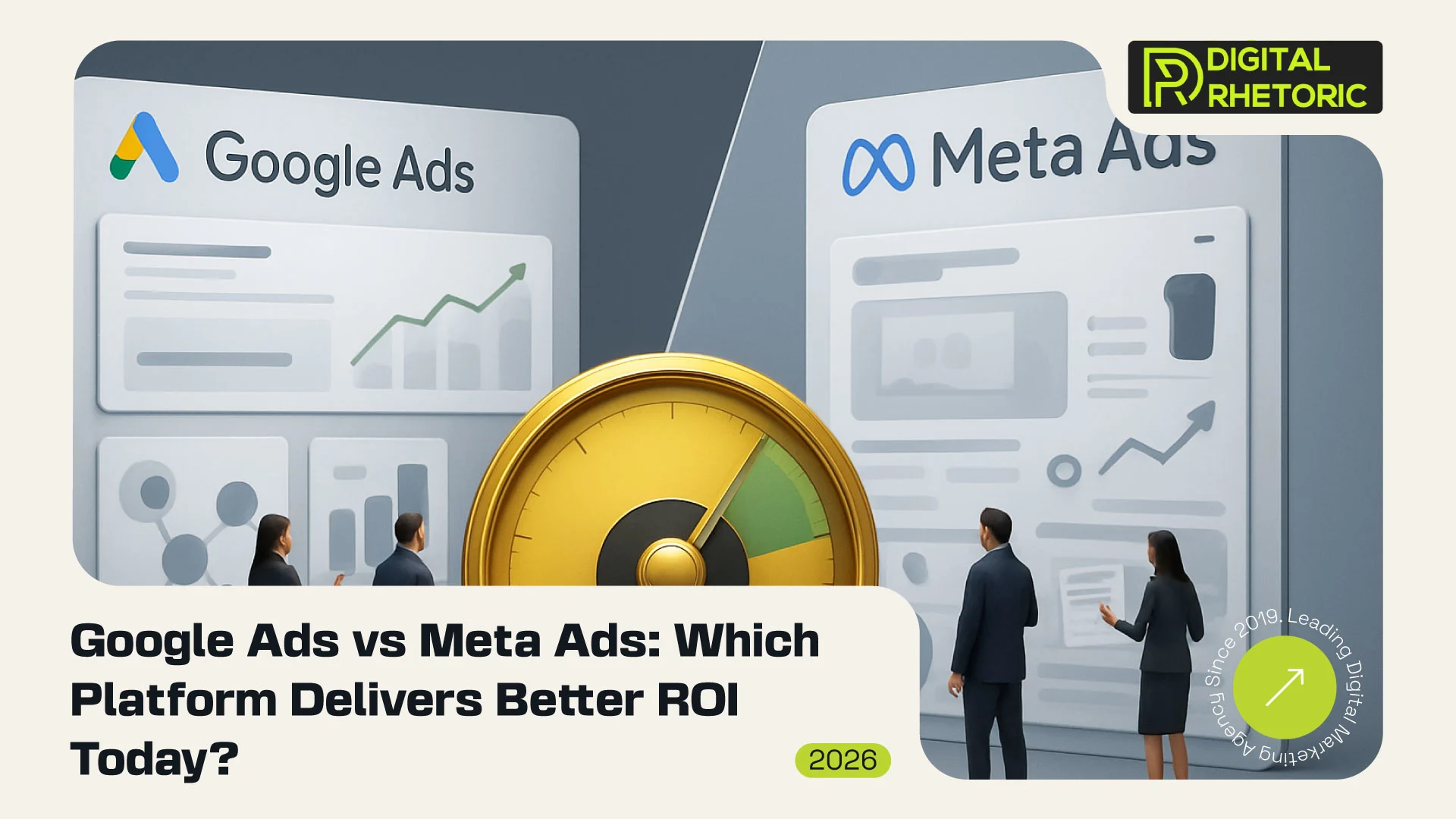
Paid advertising looks very different today than it did even two years ago.
Costs rise across platforms, user attention spans shrink, and algorithms make more decisions automatically. At the same time, buying behavior shifts.
People search with intent, but they also discover products passively while scrolling.
This creates a real dilemma for businesses.
Where should the budget go for the best return?
For years, the debate between Google Ads vs Facebook Ads stays unresolved.
Some marketers swear by search-driven intent.
Others rely on audience targeting and creative storytelling.
In reality, both platforms evolve rapidly.
Automation increases.
Targeting options change.
Measurement becomes stricter.
Choosing the best PPC platform today depends less on preference and more on strategy.
This article breaks down meta ads vs google ads in practical terms.
You will learn how each platform performs now, where facebook ads ROI shines, and how to run a smart paid advertising comparison without wasting spend.
The goal is clarity, not bias.
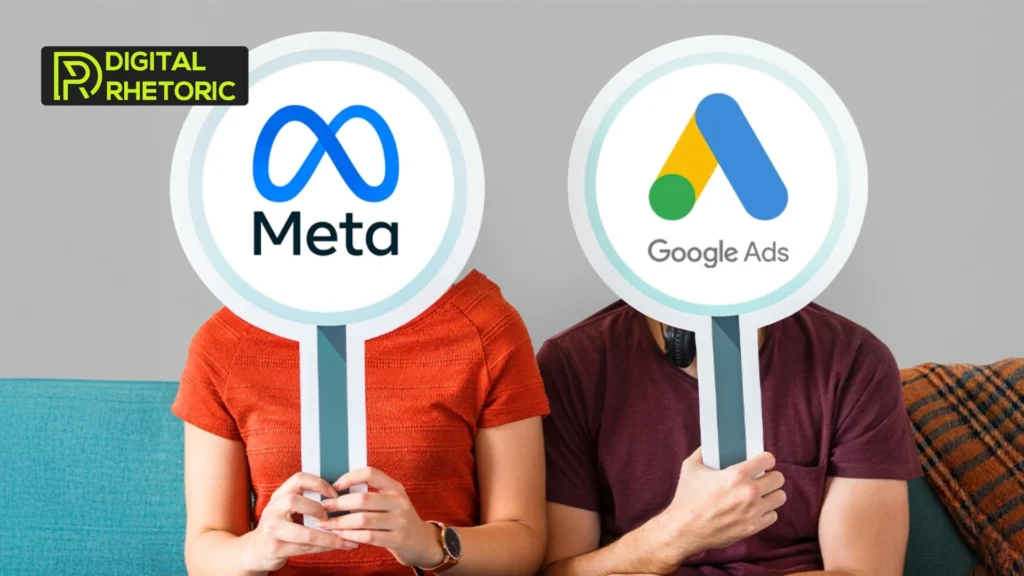
What Are Google Ads and Meta Ads?
Google Ads and Meta Ads serve different stages of the buyer journey.
They solve different problems.
- Google Ads targets active demand through search, display, and video
- Facebook Ads (Meta Ads) targets audiences based on interests, behavior, and intent signals
Understanding this difference sets the foundation.
Why ROI Comparison Matters Today
ROI matters more than reach or impressions.
Budgets face pressure.
This matters because:
- Automation reduces manual control
- Tracking becomes more privacy-focused
- Businesses need predictable outcomes
Choosing the wrong channel slows growth quickly.
Benefits of Google Ads
Google Ads capture demand that already exists.
Users search with intent.
Key benefits include:
- High-intent traffic
- Clear keyword targeting
- Strong performance for services and B2B
- Faster lead qualification
Google Ads work best when users actively look for solutions.
Benefits of Meta Ads
Meta Ads create demand where none exists yet.
They influence discovery and awareness.
Key benefits include:
- Advanced audience targeting
- Strong visual storytelling
- Scalable reach for products and brands
- Cost-effective top-of-funnel growth
This often improves facebook ads ROI for ecommerce and lifestyle brands.
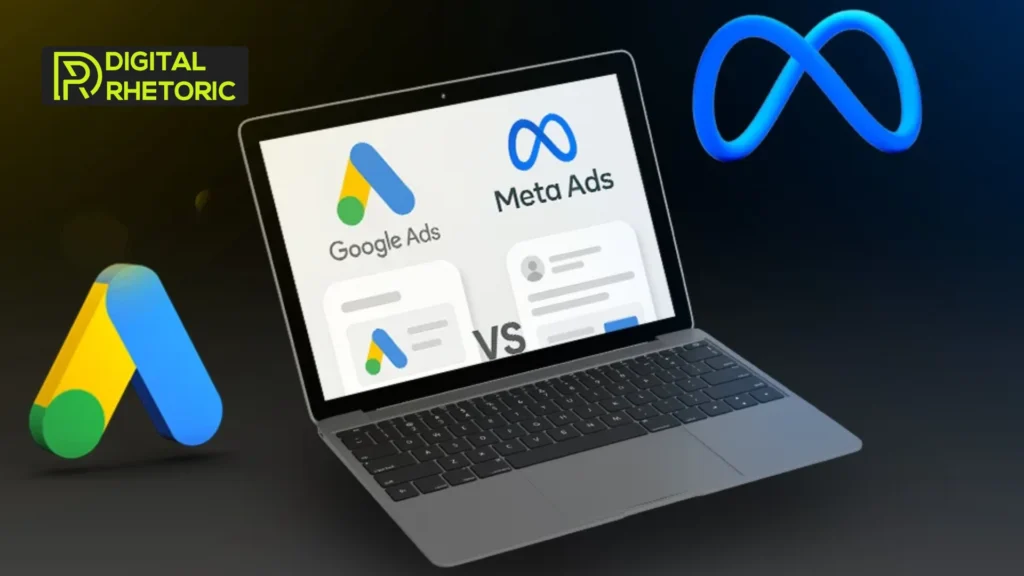
Google Ads vs Facebook Ads: ROI Breakdown
Which platform delivers higher ROI for intent-based sales?
Google Ads usually deliver higher ROI for high-intent searches.
Users already want solutions.
This works well for:
- Local services
- B2B lead generation
- High-consideration purchases
Search intent shortens the conversion cycle.
Which platform delivers better ROI for discovery?
Meta Ads perform better for discovery-driven growth.
They introduce products before demand exists.
This suits:
- Ecommerce brands
- New product launches
- Retargeting strategies
Meta Ads warm audiences effectively.
How Algorithms Change Paid Advertising Performance
Both platforms now rely heavily on AI-driven optimization.
Manual control decreases.
Google Ads optimize bids based on conversion probability.
Meta Ads optimize delivery based on engagement and likelihood to convert.
In this environment:
- Clear conversion signals matter more
- Creative quality influences performance
- Landing page experience affects ROI
Algorithms reward clarity and relevance.
Paid Advertising Comparison: Strategic Fit
The best PPC platform depends on business context.
There is no universal winner.
Use Google Ads when:
- Users actively search your solution
- You sell services or high-intent products
- You need predictable lead volume
Use Meta Ads when:
- You need awareness and demand creation
- Visual storytelling drives interest
- Retargeting improves conversions
Smart strategies often combine both.
Mini Case Study: Combining Platforms for ROI
A mid-sized ecommerce brand struggles with rising acquisition costs.
Google Ads deliver steady sales but scale slowly.
Meta Ads drive traffic but lower conversion rates.
The strategy shifts.
Key changes include:
- Google Ads focus on high-intent keywords
- Meta Ads focus on discovery and retargeting
- Shared conversion data improves learning
Results show improved blended ROI and lower overall acquisition costs.
The platforms work better together than in isolation.
Common Mistakes Businesses Make
ROI drops when strategy mismatches platform strengths.
Common mistakes include:
- Using Meta Ads for pure intent searches
- Using Google Ads only for awareness
- Ignoring creative testing
- Measuring clicks instead of conversions
Alignment improves outcomes.
Conclusion
The debate between google ads vs facebook ads misses the real question.
ROI does not come from the platform alone.
It comes from matching strategy to intent.
Google Ads capture existing demand.
Meta Ads create and nurture demand.
In an AI-driven advertising environment, clarity matters more than channel loyalty.
Algorithms reward strong signals, good creative, and clear outcomes.
The best PPC platform is often not one, but a system.
Digital Rhetoric works as an AI-first SEO and performance partner.
We design paid strategies that align platforms with business goals, not trends.
If your ad spend feels busy but unpredictable, the strategy needs alignment.
Book a paid advertising performance audit with Digital Rhetoric and improve ROI with intent-driven execution.