
A business launches a new advertising campaign expecting quick results.
The ads start generating clicks. Traffic increases. Reports show steady activity across platforms. Yet the marketing team quickly notices a problem.
Advertising costs continue to rise.
Many companies face the same challenge in modern digital advertising. Competition across platforms like Google Ads and social media has increased dramatically, and poorly optimized campaigns often consume budgets without delivering consistent returns.
In 2026, businesses can no longer rely on basic PPC strategies.
Successful campaigns now depend on AI-powered bidding, automation, high-intent targeting, and cross-channel retargeting. These approaches help marketers reduce wasted spend and focus on users who are more likely to convert.
Modern PPC advertising is not simply about running ads. It is about building intelligent systems that optimize campaigns continuously using real-time data.
In this article, we explore the key PPC trends shaping 2026, how businesses can reduce costs while improving performance, and the strategies that help marketers achieve stronger ROI with smarter advertising.
What Is PPC Advertising?
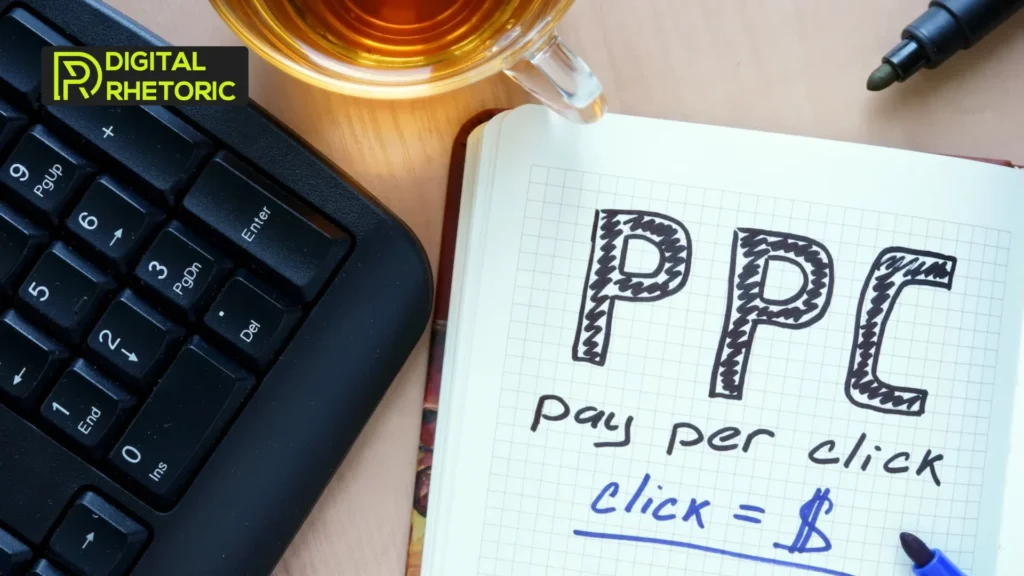
PPC (Pay-Per-Click) advertising is a digital marketing model where businesses pay only when users click on their ads.
This model allows companies to drive targeted traffic to websites, landing pages, or product listings.
Common PPC platforms include:
- Google Ads
- Social media advertising platforms
- Display advertising networks
- Shopping and marketplace ads
When optimized properly, PPC campaigns can generate highly qualified leads.
Why PPC Is Evolving in 2026
Digital advertising platforms increasingly rely on artificial intelligence and automation to optimize campaign performance.
Manual campaign management is becoming less effective.
Major changes influencing PPC include:
- Increased competition for high-value keywords
- Advanced algorithmic optimization
- Growing use of AI-powered bidding systems
- Expansion of cross-platform advertising ecosystems
Businesses must adapt to these trends to remain competitive.
Benefits of Modern PPC Strategies
Modern PPC strategies focus on efficiency, precision targeting, and data-driven optimization.
These improvements help businesses achieve stronger results.
Key benefits include:
- Lower cost per acquisition
- Better targeting of qualified audiences
- Faster campaign optimization
- Improved return on ad spend
Companies using advanced PPC strategies often outperform traditional campaigns.
Key PPC Advertising Strategies for 2026
AI-Powered Bidding
AI-powered bidding automatically adjusts ad bids based on the likelihood of a conversion.
Instead of static bids, algorithms evaluate real-time data.
AI bidding considers factors such as:
- User search intent
- Device type
- Location and time of search
- Historical performance data
This improves campaign efficiency and reduces wasted spending.
Automation for Campaign Optimization
Automation tools help marketers manage complex campaigns across multiple channels.
Automation reduces manual workload and improves scalability.
Key automation features include:
- Automated ad testing
- Dynamic ad creation
- Budget optimization tools
Automation allows campaigns to evolve based on performance data.
High-Intent Targeting
High-intent targeting focuses on users who show strong signals that they are ready to convert.
These users are more valuable than general audiences.
Examples of high-intent signals include:
- Search queries related to purchasing
- Previous website visits
- Product page engagement
Targeting these users improves conversion rates.
Cross-Channel Retargeting
Cross-channel retargeting reconnects with users across multiple advertising platforms.
Customers often interact with brands several times before making a purchase.
Retargeting strategies include:
- Display ads for previous website visitors
- Social media retargeting campaigns
- Email remarketing campaigns
This keeps the brand visible throughout the customer journey.
Mini Case Study: Reducing PPC Costs Through Smart Optimization
A growing ecommerce company runs multiple PPC campaigns but struggles with rising costs and inconsistent conversions.
The marketing team restructures its strategy.
Key improvements include:
- Implementing AI-powered bidding strategies
- Focusing on high-intent keyword targeting
- Running cross-channel retargeting campaigns
Within a few months, the company notices significant improvements.
Advertising costs decrease while conversion rates increase. The campaign begins attracting more qualified customers, demonstrating how intelligent PPC strategies can improve ROI.
Steps to Improve PPC Campaign Performance
Step 1: Focus on Conversion-Focused Campaign Goals
Successful PPC campaigns begin with clear objectives.
Businesses should define metrics such as:
- Cost per acquisition
- Conversion rate
- Return on ad spend
Clear goals guide campaign optimization.
Step 2: Continuously Test Campaign Elements
Testing helps identify the most effective ads and targeting strategies.
Marketers should experiment with:
- Different ad creatives
- Keyword targeting variations
- Landing page improvements
Testing leads to stronger campaign performance.
Step 3: Analyze Data and Optimize Regularly
Data-driven decisions help marketers improve campaign efficiency.
Key metrics to monitor include:
- Click-through rates
- Conversion rates
- Customer acquisition costs
Regular optimization ensures consistent improvement.
Conclusion
PPC advertising continues to evolve as digital platforms adopt advanced technologies.
Businesses that rely on outdated campaign structures often struggle with rising costs and declining efficiency. However, companies that adopt modern strategies can significantly improve performance.
By using AI-powered bidding, automation, high-intent targeting, and cross-channel retargeting, marketers can reduce wasted ad spend while increasing conversion rates.
These strategies allow businesses to build smarter advertising systems that continuously improve performance.
Digital Rhetoric operates as an AI-first SEO and performance partner, helping businesses implement advanced PPC strategies that maximize ROI and drive measurable growth.
If your campaigns generate clicks but fail to deliver consistent results, it may be time for a strategic overhaul.
Request a PPC performance audit with Digital Rhetoric and discover how data-driven advertising can transform your marketing outcomes.