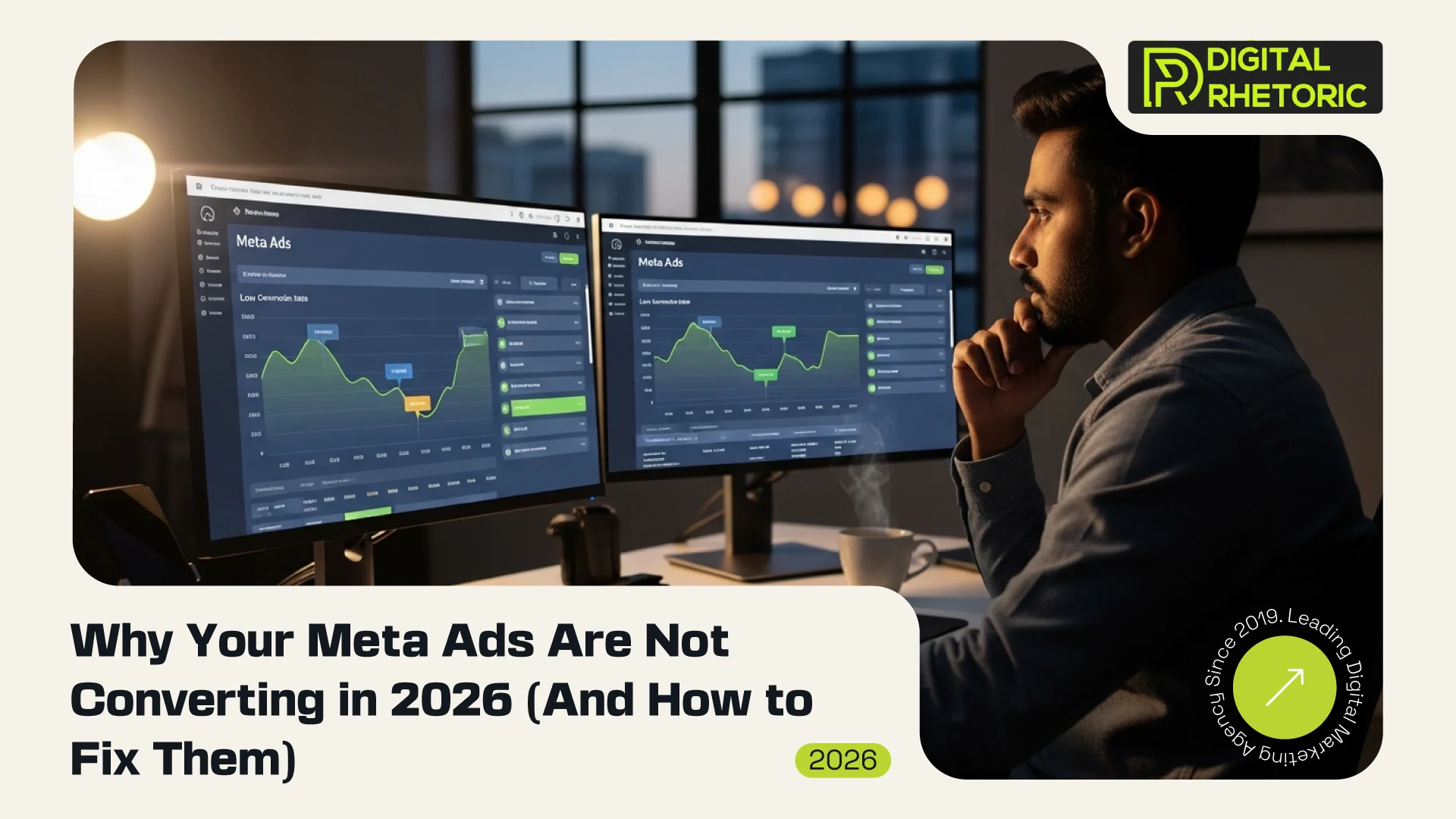
Most businesses think their Meta Ads fail because of the algorithm.
They assume reach is low, competition is high, or budgets are not enough.
But that is rarely the real problem.
In 2026, Meta’s advertising system is more advanced than ever. It has access to deep behavioral data, powerful AI optimization, and real-time learning capabilities. If your ads are still not converting, the issue usually lies within your strategy.
The truth is simple.
The algorithm is not your enemy. It works exactly as designed.
If your campaigns struggle with a meta ads low conversion rate, it often means the inputs are weak—wrong audience signals, unclear messaging, or poor landing experiences.
This is why many businesses spend consistently but see little return. They focus on scaling before fixing the fundamentals.
Understanding why Meta ads are not converting is the first step toward improvement.
In this article, we break down the real reasons behind poor performance and share practical meta ads optimization tips to help you improve results and generate consistent leads.
What Does It Mean When Meta Ads Don’t Convert?
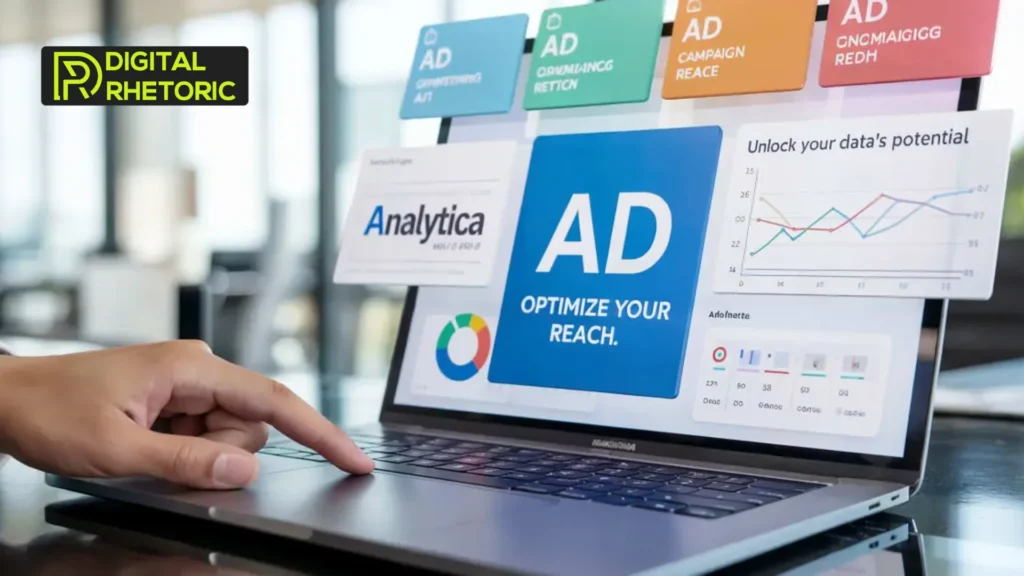
Meta ads are not converting when users click but do not take the desired action, such as filling a form or making a purchase.
Clicks alone do not equal results.
Common issues include:
- High click-through rate but low conversions
- Rising cost per lead
- Poor return on ad spend
This indicates a gap between interest and action.
Why Meta Ads Performance Matters
Meta Ads remain one of the most powerful tools for demand generation and audience targeting.
They influence both awareness and conversions.
Performance matters because:
- It directly impacts ROI
- It determines campaign scalability
- It affects overall marketing efficiency
Poor performance leads to wasted budget.
Benefits of Optimized Meta Ads
Well-optimized campaigns deliver consistent, high-quality leads.
They turn engagement into measurable business outcomes.
Key benefits include:
- Lower cost per acquisition
- Higher conversion rates
- Better audience targeting
- Scalable growth
Optimization transforms performance.
Why Meta Ads Are Not Converting
Weak Audience Targeting
If the audience is not aligned with your offer, conversions will remain low.
Relevance is critical.
Common targeting issues include:
- Broad or vague audience segments
- Incorrect interest targeting
- Lack of retargeting strategies
Wrong audiences reduce conversions.
Poor Creative and Messaging
Ad creatives must capture attention and communicate value instantly.
Users scroll quickly.
Weak creatives include:
- Generic visuals
- Unclear messaging
- No strong hook
Creative quality directly impacts engagement.
Mismatch Between Ad and Landing Page
If your landing page does not match the ad promise, users drop off.
Consistency builds trust.
Common mismatches include:
- Different messaging
- Slow page load
- Complicated forms
This is a major cause of facebook ads not getting results.

Lack of Conversion Optimization
Without proper tracking and optimization, campaigns cannot improve.
Data drives performance.
Missing elements include:
- Conversion tracking setup
- Pixel optimization
- Event tracking
Without data, results stagnate.
Mini Case Study: Fixing Meta Ads Performance
An ecommerce brand runs Meta Ads with strong engagement but poor conversions.
The campaigns generate clicks but minimal sales.
The business audits its strategy.
Key improvements include:
- Refining audience targeting using lookalike segments
- Updating creatives with stronger messaging
- Optimizing landing pages for faster load speed
Within weeks, results improve.
Conversions increase while cost per acquisition decreases. The issue was not the platform—it was execution.
How to Improve Facebook Ads Performance
Step 1: Refine Audience Targeting
Targeting the right audience increases relevance and conversions.
Better targeting leads to better results.
Focus on:
- Lookalike audiences
- Retargeting website visitors
- Narrowing interest segments
Precision improves performance.
Step 2: Upgrade Ad Creatives
Creatives determine whether users engage with your ads.
Strong creatives capture attention.
Improve creatives by:
- Using bold visuals
- Highlighting clear benefits
- Adding strong hooks
Better creatives drive clicks and conversions.

Step 3: Align Ads With Landing Pages
Consistency between ad and landing page builds trust.
Users expect a seamless experience.
Ensure alignment by:
- Matching messaging
- Keeping design consistent
- Simplifying user journey
Alignment improves conversions.
Step 4: Optimize for Conversions, Not Clicks
Clicks are not the goal—conversions are.
Optimization must focus on outcomes.
Key actions include:
- Setting conversion objectives
- Tracking key events
- Using data-driven optimization
Conversion focus improves ROI.
Step 5: Test and Scale Strategically
Testing helps identify what works best.
Scaling should follow proven results.
Test elements such as:
- Ad creatives
- Audience segments
- Copy variations
Testing drives continuous improvement.
Conclusion
Meta Ads are not the problem.
The strategy behind them is.
Understanding why Meta ads are not converting allows businesses to fix the real issues—targeting, messaging, and conversion experience. These are the factors that determine whether campaigns succeed or fail.
Improving facebook ads performance requires a structured approach. It involves aligning audiences, creatives, and landing pages while continuously optimizing based on data.
In a competitive digital environment, small improvements create significant impact.
Digital Rhetoric operates as an AI-first SEO and performance partner, helping businesses optimize Meta Ads for measurable growth.
If your campaigns generate clicks but not conversions, it is time to take a closer look.
Request a Meta Ads performance audit with Digital Rhetoric and start turning engagement into real business results.