
For years, the digital marketing formula seemed straightforward. Create useful content, rank on Google, attract clicks, and convert visitors into leads or customers. Businesses invested heavily in SEO because visibility almost always translated into website traffic.
That relationship is changing.
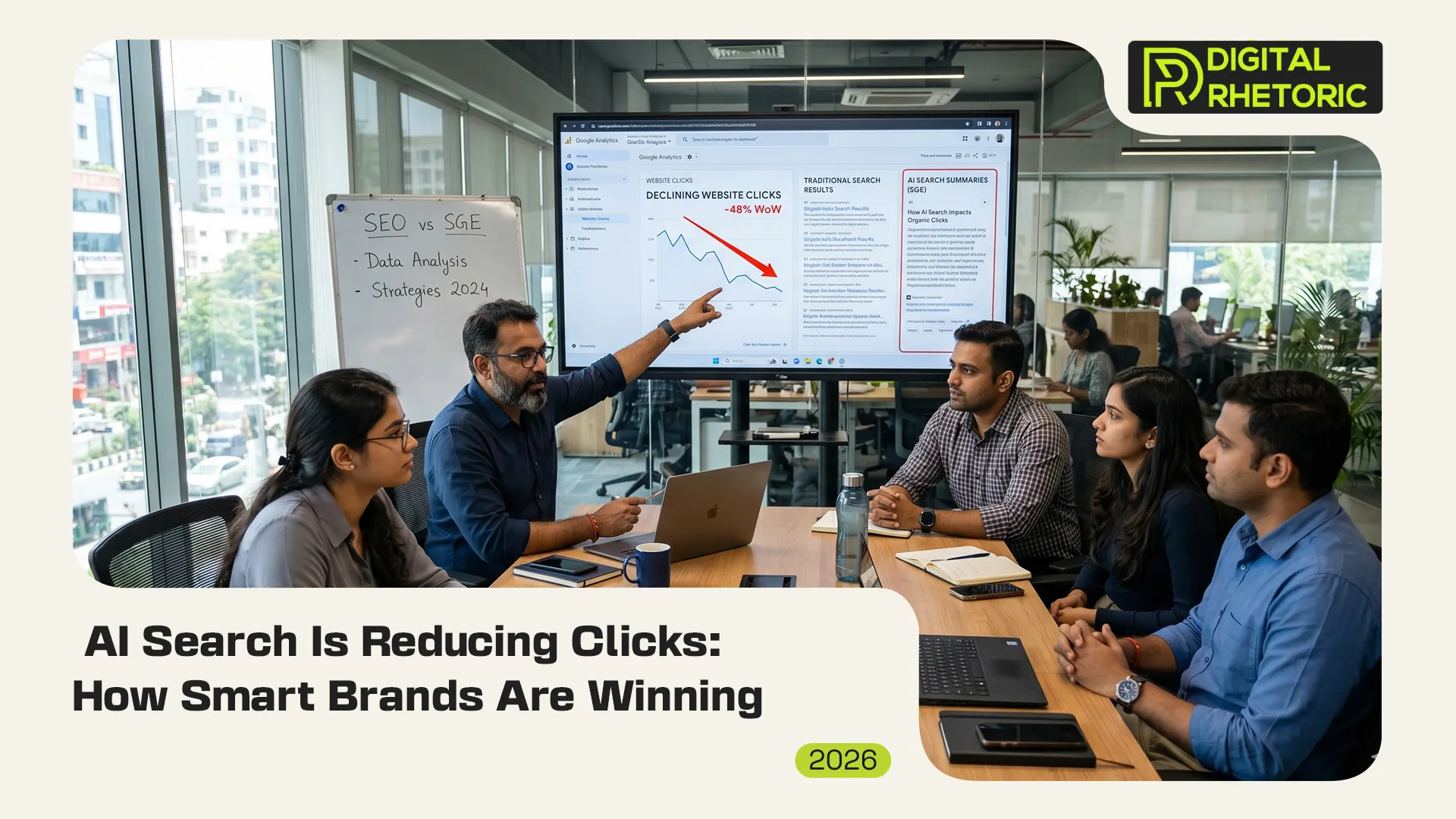
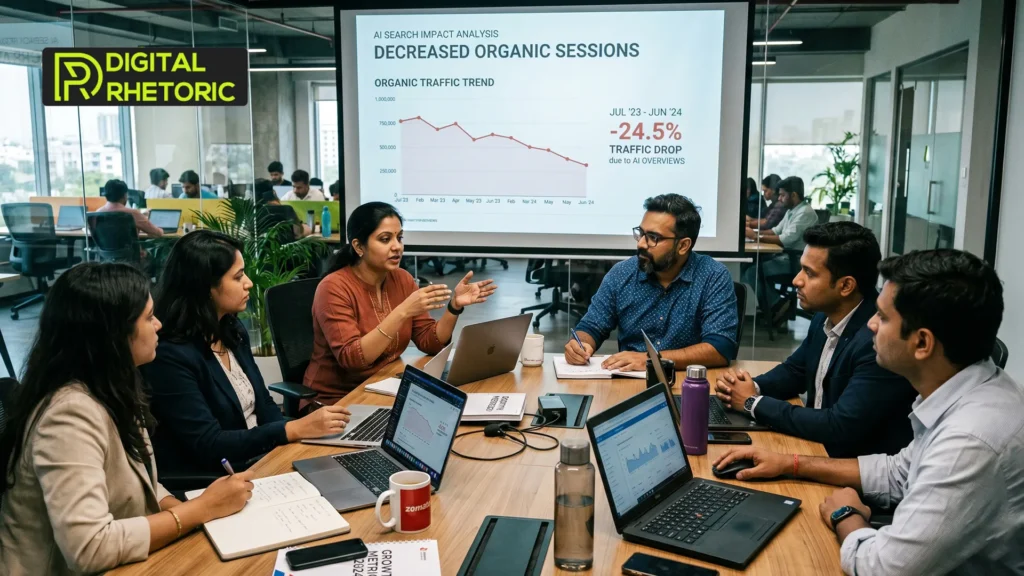
Today, users increasingly receive answers directly within search results. Google AI Overviews, conversational AI search tools, and answer-driven experiences often provide complete responses before a user ever visits a website. As a result, many businesses notice a surprising trend: rankings remain stable, impressions increase, but clicks decline.
At first glance, this appears alarming. Fewer clicks seem to suggest fewer opportunities. However, smart brands are discovering that this shift does not mean the end of SEO. It simply changes the rules of visibility.
The companies that continue growing are adapting their content, authority, and brand strategies to align with how AI-powered search systems discover, summarize, and recommend information.
In this guide, we explain why AI search reduces organic traffic, explore practical ways to survive AI search changes, and reveal the modern zero click searches SEO strategy that helps brands remain visible and competitive in 2026 and beyond.
What Is AI Search and Why Is It Reducing Clicks?
AI search provides direct answers to user questions without always requiring a website visit.
Instead of showing only a list of links, search engines increasingly generate summarized responses using information gathered from multiple sources.
This impacts traffic because:
- Users often receive answers immediately
- Fewer searches require additional clicking
- Basic informational queries end within the search interface
- AI systems prioritize convenience and speed
This trend creates more zero-click search experiences.
Why Is This Change Important for Businesses?
AI-powered search is changing how customers discover brands online.
Visibility remains important, but visibility alone is no longer enough.
Businesses must now think beyond rankings.
Key impacts include:
- Lower click-through rates for informational content
- Increased competition for authority signals
- Greater importance of brand recognition
- Higher value placed on expertise and trust
Brands that adapt gain an advantage.
Brands that ignore these changes risk losing visibility over time.
What Are Zero-Click Searches?
A zero-click search occurs when a user gets the answer they need without visiting a website.
This behavior becomes increasingly common with AI-generated responses.
Examples include:
- Definitions
- Quick comparisons
- Basic how-to questions
- Local information
- Product summaries
Many searches now end directly within the search environment.
That does not mean SEO loses value.
It means SEO evolves.
Benefits of Adapting to AI Search
Businesses that optimize for AI discovery often gain stronger long-term visibility.
The goal shifts from simply generating clicks to becoming a trusted source of information.
Benefits include:
Increased Brand Mentions
AI systems often reference authoritative sources.
This improves:
- Brand visibility
- Brand awareness
- Industry recognition
Better Lead Quality
Not every click is valuable.
Users who continue to visit after seeing AI-generated answers often demonstrate stronger intent.
These visitors are more likely to:
- Engage
- Convert
- Become customers
Greater Competitive Advantage
Many businesses still focus exclusively on traditional rankings.
Early adopters gain:
- Stronger authority
- Better entity recognition
- Improved citation opportunities
How to Survive AI Search Changes
The best response is not fighting AI search. It is becoming the source AI wants to cite.
Create Complete Answers
Content should answer questions clearly and directly.
Focus on:
- Definitions
- Explanations
- FAQs
- Step-by-step guidance
Clear answers are easier for AI systems to understand.
Build Topical Authority
Publishing random content rarely works anymore.
Instead:
- Cover topics deeply
- Create content clusters
- Address related questions
- Demonstrate expertise
Authority improves discoverability.

Strengthen Brand Signals
AI systems increasingly evaluate brand credibility.
Invest in:
- Expert authorship
- Case studies
- Reviews
- Industry mentions
- Consistent branding
Strong brands survive platform changes.
Focus on Entity-Based SEO
Search engines increasingly understand businesses as entities rather than collections of keywords.
Improve:
- Structured data
- Brand consistency
- Author profiles
- Business information
Entity strength improves AI visibility.
Mini Case Study: Traffic Drops, Leads Rise
A B2B software company noticed a decline in organic clicks despite maintaining rankings.
Instead of chasing traffic volume, they focused on becoming a trusted authority within their niche.
Their strategy included:
- Comprehensive guides
- Expert commentary
- Detailed FAQs
- Industry research content
Over several months:
- Organic clicks declined slightly
- Brand searches increased
- Lead quality improved
- Sales inquiries rose
The lesson was simple.
Visibility alone does not drive business growth. Trust does.

What Is the New Zero Click Searches SEO Strategy?
Modern SEO focuses on being referenced, cited, and trusted rather than simply clicked.
Winning strategies include:
- Publishing answer-first content
- Creating expert-driven resources
- Building topical authority
- Improving structured data
- Strengthening brand reputation
- Optimizing FAQs and knowledge content
The objective is to become the source behind the answer.
Conclusion
AI-powered search is changing how users discover information, but it is not eliminating opportunities for businesses. It is simply shifting the focus from chasing clicks to earning trust and visibility across multiple search experiences.
The brands that succeed in 2026 understand that traffic is only one metric. Authority, recognition, citations, and high-intent engagement matter just as much. By creating comprehensive content, building strong brand signals, and positioning themselves as reliable sources of information, businesses can remain highly visible even as search behavior evolves.
At Digital Rhetoric, we help businesses adapt to the next generation of search through AI-first SEO strategies, authority building, content optimization, and performance-focused visibility planning.
Want to know whether your current SEO strategy is prepared for AI search? Schedule a Digital Visibility Audit with Digital Rhetoric and discover how your brand can stay discoverable in the age of AI-powered search.