
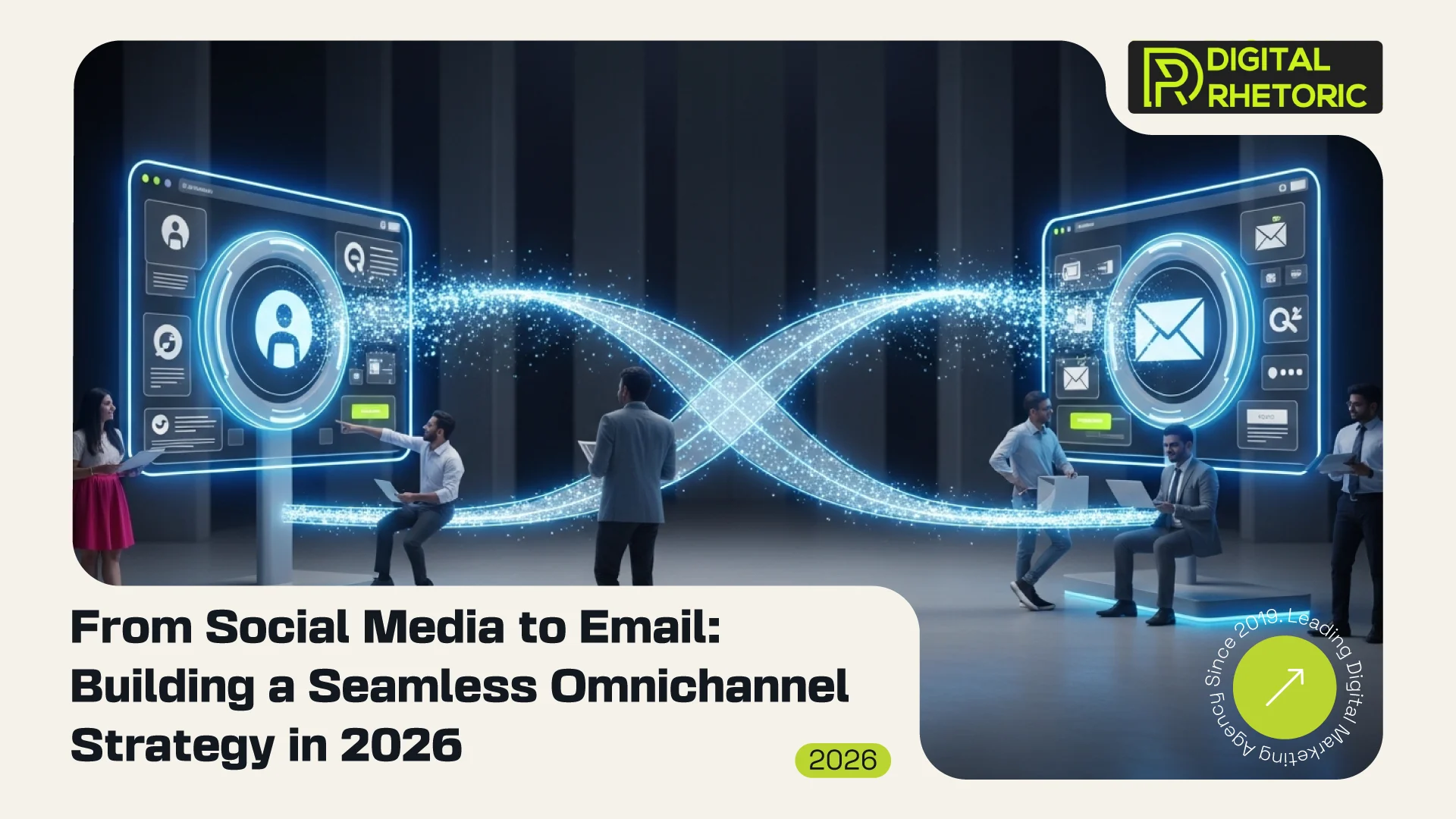
Many businesses run strong marketing campaigns on individual platforms.
Their social media generates engagement.
Their email marketing collects subscribers.
Their ads bring steady website traffic.
Yet something still feels disconnected.
Leads appear, but conversions remain inconsistent. Customers interact with a brand on social media, then disappear before they ever open an email or make a purchase.
This happens because most businesses treat marketing channels as separate systems rather than part of a unified customer journey.
In 2026, digital marketing success increasingly depends on omnichannel strategies that connect multiple touchpoints. Customers move between platforms constantly, discovering brands through social media marketing, engaging with ads, and eventually converting through email marketing.
When these channels work together, they create powerful lead generation and nurture systems.
An integrated approach allows brands to capture attention on social media, retarget interested users, and guide them through personalized nurture funnels that build trust over time.
In this article, we explore how businesses can integrate email marketing and social media marketing into a seamless omnichannel strategy that improves lead generation and long-term customer relationships.
What Is an Omnichannel Marketing Strategy?
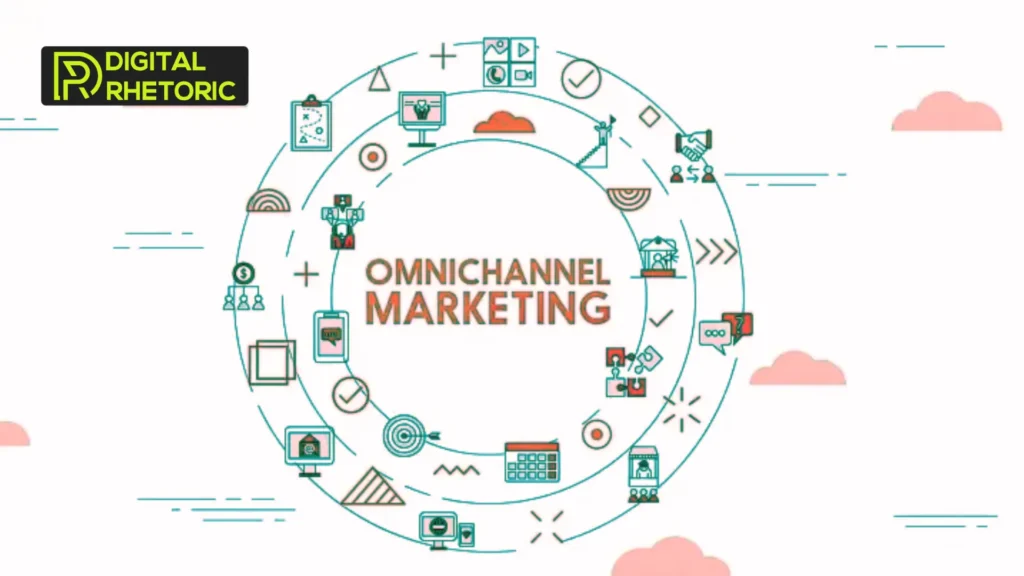
An omnichannel marketing strategy connects multiple customer touchpoints into one unified experience.
Instead of treating channels separately, businesses design campaigns that move customers smoothly between platforms.
Common omnichannel touchpoints include:
- Social media platforms
- Email marketing campaigns
- Paid advertising and retargeting
- Websites and landing pages
When these elements work together, the customer journey becomes more consistent and effective.
Why Omnichannel Marketing Matters in 2026
Customers interact with brands across multiple platforms before making decisions.
A fragmented marketing strategy often leads to lost opportunities.
Omnichannel marketing matters because it:
- Improves customer experience across platforms
- Strengthens brand consistency
- Increases lead conversion rates
- Builds stronger customer relationships
Businesses that integrate channels often achieve better marketing ROI.
Benefits of Integrating Social Media and Email Marketing
Combining social media marketing with email marketing creates stronger lead nurturing systems.
Each platform supports a different stage of the customer journey.
Key benefits include:
- More effective lead generation from social platforms
- Better engagement through personalized email communication
- Higher conversion rates from structured nurture funnels
- Improved retargeting opportunities
These benefits create a more predictable marketing pipeline.
Strategies for Building an Omnichannel Marketing System
Integrate Lead Generation Across Platforms
Successful omnichannel strategies begin by capturing leads from multiple sources.
Social media often acts as the discovery stage.
Businesses can generate leads through:
- Social media lead generation campaigns
- Landing pages linked from social content
- Interactive content such as polls or webinars
These leads can then enter email nurture systems.
Use Retargeting to Reinforce Brand Presence
Retargeting helps reconnect with users who show interest but do not convert immediately.
It keeps the brand visible across platforms.
Effective retargeting strategies include:
- Social media ads targeting website visitors
- Email reminders for abandoned carts
- Personalized content recommendations
Retargeting strengthens brand recall and increases conversions.
Develop Structured Nurture Funnels
Nurture funnels guide potential customers through a series of interactions that build trust.
These funnels often combine social media engagement and email communication.
Typical nurture funnel stages include:
- Awareness: engaging social media content
- Interest: lead magnets and downloadable resources
- Consideration: email sequences providing insights
- Conversion: personalized offers or consultations
Well-designed funnels increase conversion rates significantly.
Personalize Communication Using Data
Data-driven personalization improves engagement across marketing channels.
Businesses can tailor messages based on customer behavior.
Examples include:
- Personalized email recommendations
- Targeted social media advertisements
- Content tailored to audience interests
Personalization creates stronger connections with customers.
Mini Case Study: Omnichannel Strategy in Action
A software company relies heavily on social media marketing to generate leads.
While engagement is high, conversions remain low because prospects rarely move beyond initial interaction.
The marketing team implements an omnichannel strategy.
Key improvements include:
- Using social media campaigns to collect email subscribers
- Creating targeted email nurture funnels
- Running retargeting ads for engaged users
Within months, the company notices significant improvements.
Lead conversion rates increase, and email campaigns generate more qualified prospects. Integrating channels creates a smoother customer journey.
Steps to Implement an Omnichannel Marketing Strategy
Step 1: Map the Customer Journey
Understanding how customers interact with your brand helps design better marketing experiences.
Businesses should identify:
- Discovery channels
- Engagement points
- Conversion opportunities
A clear journey improves strategy planning.
Step 2: Align Content Across Platforms
Consistent messaging strengthens brand identity across channels.
Content should complement rather than duplicate each other.
For example:
- Social media sparks interest
- Email marketing provides deeper insights
Alignment improves customer experience.
Step 3: Track Performance Across Channels
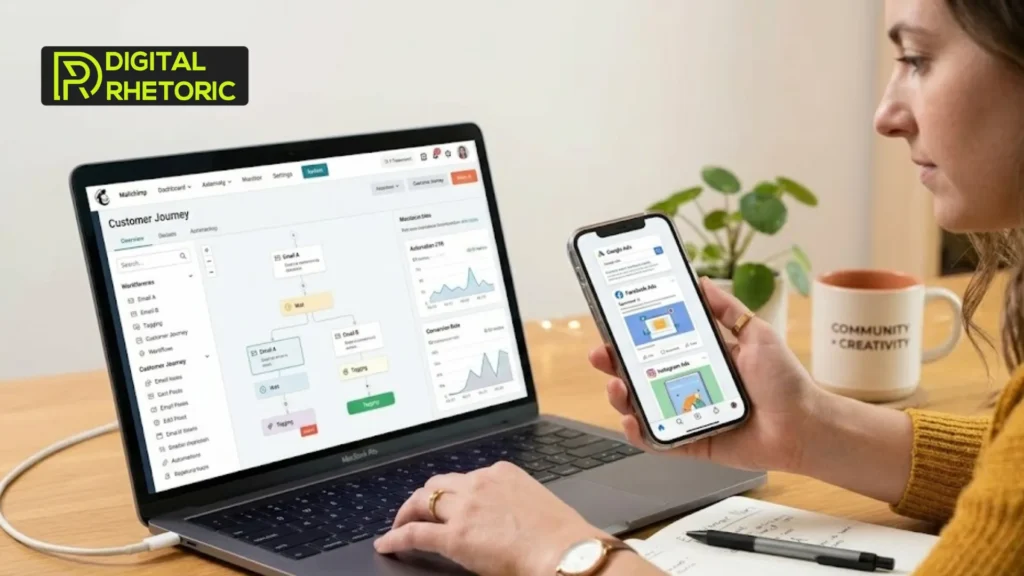
Data analysis helps refine omnichannel strategies over time.
Key metrics include:
- Lead generation rates
- Email engagement metrics
- Conversion rates
Tracking performance improves decision-making.
Conclusion
Modern marketing success depends on connection.
Customers rarely interact with brands through a single platform. They discover businesses through social media, explore products online, and often convert after receiving targeted email communication.
An effective omnichannel strategy ensures these interactions work together rather than in isolation.
By integrating social media marketing, email marketing, retargeting campaigns, and nurture funnels, businesses can create a more consistent and effective customer journey.
This approach improves engagement, strengthens brand trust, and increases conversions.
Digital Rhetoric works as an AI-first SEO and performance partner, helping businesses design integrated marketing systems that combine multiple channels for maximum impact.
If your marketing channels operate independently and fail to convert leads effectively, it may be time to build a connected strategy.
Request an omnichannel marketing audit from Digital Rhetoric and discover how integrated marketing can transform your lead generation and customer growth.