
Have you noticed customers choosing a business before even opening a website?
This happens daily for local searches. People search, scan the map, read a summary, and decide fast. Google no longer shows only links. It shows Maps listings, reviews, business profiles, and AI-generated answers.
Features like Google AI Overviews and conversational AI search tools now guide local decisions early. Customers trust what Google highlights first.
This shift creates a new challenge for local brands.
You must win Google Maps visibility and AI search visibility together.
Ranking on Maps alone is no longer enough.
AI systems summarize, recommend, and compare local options instantly.
This article explains how local businesses can win both.
You will learn modern Google Maps SEO, effective local SEO for small businesses, and how AI search for local businesses actually works.
Everything stays practical, simple, and action-focused.
If your business depends on local customers, this guide shows how to stay visible in 2026.
What Does Winning Google Maps & AI Search Mean?
Winning Google Maps and AI search means appearing in Maps results and AI-generated local recommendations.
It ensures customers see your business first.
This visibility includes:
-
- Google Maps listings
-
- Local packs
-
- AI-generated summaries and suggestions
Together, these influence most local buying decisions.
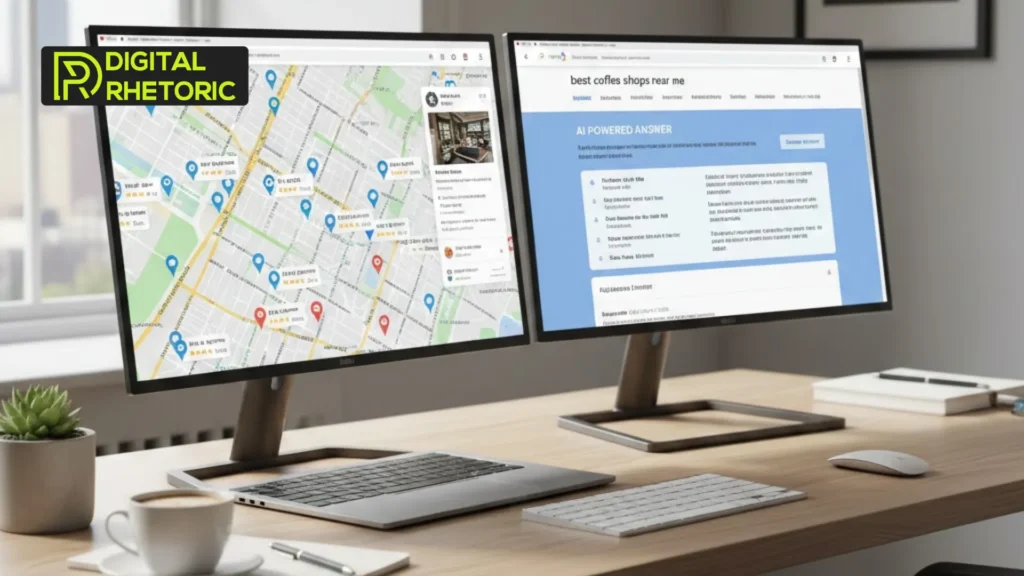
Why Google Maps and AI Search Matter Together
AI-driven search now shapes local discovery before clicks happen.
Customers often choose without visiting websites.
This matters because:
-
- Google AI Overviews summarize nearby businesses
-
- Conversational AI search tools suggest “best near me” options
-
- Trust builds from reviews, proximity, and clarity
Strong local visibility requires both signals.
Benefits of Optimizing for Maps and AI Together
A combined approach increases trust and conversions.
It protects visibility as search evolves.
Key benefits include:
-
- Higher Google Maps rankings
-
- Increased calls and visits
-
- Better brand trust locally
-
- Long-term search resilience
This supports sustainable local growth.
Google Maps SEO Basics That Still Work
How does Google Maps SEO help local businesses?
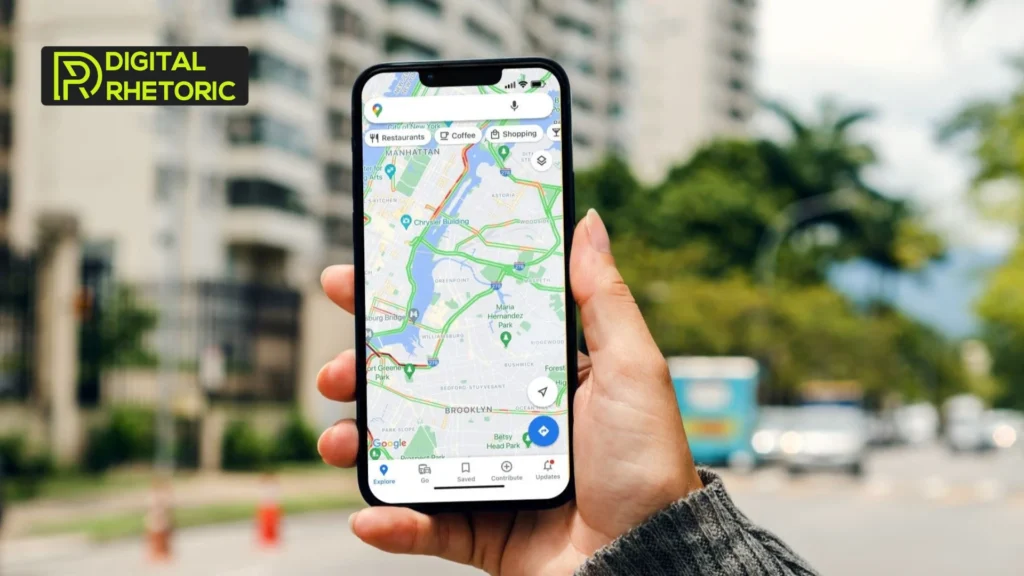
Google Maps SEO improves how your business appears in location-based results.
It relies on relevance, distance, and prominence.
Core Google Maps SEO actions include:
-
- Accurate business details
-
- Correct categories and services
-
- Active customer engagement
This forms the foundation.
How does Google Business Profile ranking work?
Google Business Profile ranking depends on completeness and activity.
Google rewards accurate and updated profiles.
Key optimization steps include:
-
- Correct name, address, and phone number
-
- Optimized business description
-
- Regular posts and updates
-
- Photos and service listings
Strong profiles rank better.
How AI Search Changes Local SEO
How does AI search affect local businesses?
AI search summarizes and recommends local options instantly.
Users rely on these summaries.
AI-driven local search evaluates:
-
- Review quality and sentiment
-
- Service clarity
-
- Local relevance and consistency
This is critical for AI search for local businesses.
What content helps AI understand local businesses?
Clear explanations help AI recommend your business correctly.
AI prefers structured information.
Best practices include:
-
- Clear service descriptions
-
- Location-specific content
-
- FAQ-style explanations
This improves AI selection.
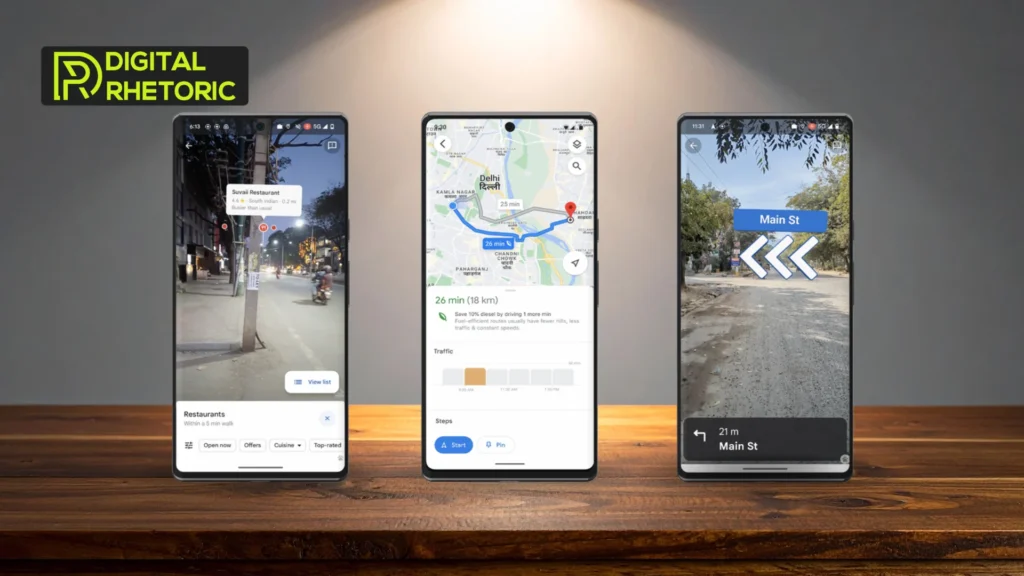
Steps to Win Google Maps & AI Search Together
Step 1: Strengthen Google Business Profile Ranking
Your Google Business Profile acts as the core local signal.
Optimize it fully.
Actions include:
-
- Updating hours and services
-
- Posting weekly updates
-
- Responding to reviews consistently
This boosts trust.
Step 2: Align Website Content With Local Intent
Local website content supports both Maps and AI visibility.
It clarifies what you offer and where.
Effective content includes:
-
- Location pages
-
- Service-specific explanations
-
- Local FAQs
This supports local SEO for small businesses.
Step 3: Manage Reviews Strategically
Reviews influence both rankings and AI summaries.
They act as trust signals.
Best practices include:
-
- Encouraging genuine reviews
-
- Responding professionally
-
- Addressing negative feedback clearly
Active engagement improves visibility.
Mini Case Study: Local Visibility Done Right
A local healthcare clinic struggles with low Maps visibility.
Despite good services, calls remain inconsistent.
The strategy focuses on alignment.
Key actions include:
-
- Improving Google Business Profile ranking
-
- Adding service-specific FAQs
-
- Encouraging patient reviews
Results include:
-
- Higher Google Maps placement
-
- Increased calls
-
- Better AI-generated local mentions
This shows how Maps and AI work together.
Common Mistakes Local Businesses Make
Many businesses lose visibility due to avoidable errors.
Common mistakes include:
-
- Incomplete business profiles
-
- Ignoring reviews
-
- Using generic service descriptions
-
- Inconsistent contact details
Fixing basics improves results quickly.
Conclusion
Local search no longer relies on one system.
Google Maps rankings and AI-generated recommendations now work together.
Businesses that optimize only one lose visibility.
Strong Google Maps SEO builds the foundation.
Clear content and reviews help AI systems recommend you.
This combined approach benefits local SEO for small businesses most.
It increases trust, calls, and conversions.
Digital Rhetoric works as an AI-first SEO partner for local brands.
We help businesses win Google Maps and AI search together.
If your local visibility matters to your growth, now is the time to act.
Contact Digital Rhetoric for a local SEO and AI search readiness audit.