
Most B2B brands believe LinkedIn works only if you spend heavily on ads. That belief quietly limits results.
In reality, many high-performing B2B brands generate leads on LinkedIn without relying entirely on paid campaigns. They focus on relevance, consistency, and credibility instead of constant promotion.
LinkedIn behaves differently from other social platforms. It rewards expertise over entertainment. It prioritizes conversations over virality.
At the same time, discovery is changing.
Decision-makers consume fewer pieces of content, but expect higher value from each one.
Algorithms favor signals like dwell time, meaningful engagement, and professional relevance.
This creates a unique opportunity for B2B brands.
LinkedIn is no longer just a networking site.
It is a content distribution engine, a lead generation platform, and a credibility layer rolled into one.
This article breaks down what actually works in LinkedIn marketing for B2B today.
You will learn how to build a practical LinkedIn marketing strategy, how LinkedIn lead generation really happens, and when to choose LinkedIn ads vs organic as part of broader B2B social media marketing.
The focus stays on results, not noise.
What Is LinkedIn Marketing for B2B Brands?
LinkedIn marketing for B2B focuses on building visibility, authority, and demand among professionals.
It targets decision-makers, not mass audiences.
Core elements include:
- Thought leadership content
- Profile and company page optimization
- Relationship-driven engagement
- Paid amplification where needed
The goal is trust first, leads second.
Why LinkedIn Matters in B2B Social Media Marketing
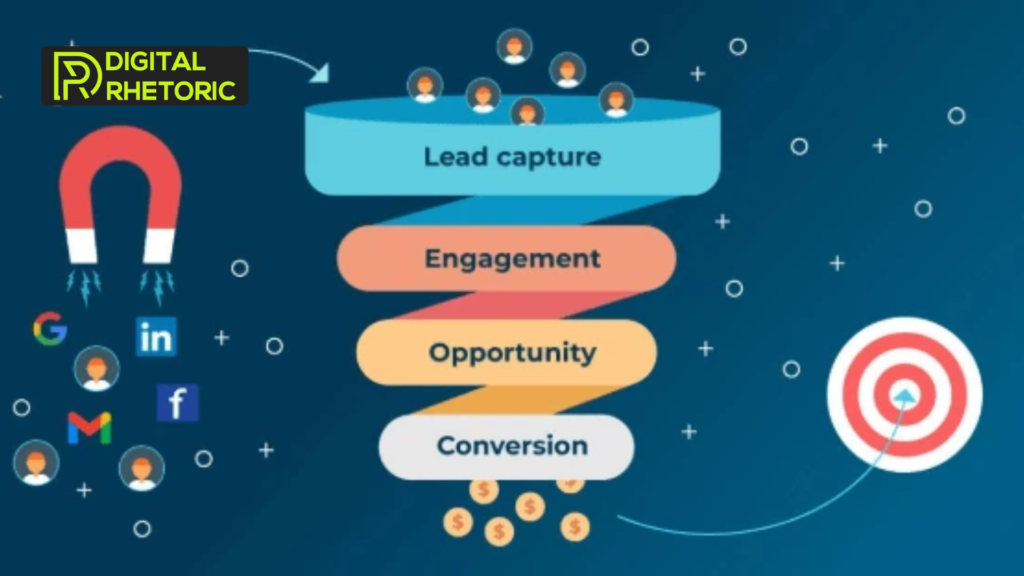
LinkedIn aligns naturally with long B2B buying cycles.
Buyers research before they contact.
LinkedIn matters because:
- Decision-makers actively consume industry insights
- Professional context increases credibility
- Content influences early-stage consideration
This makes LinkedIn central to B2B social media marketing.
Benefits of a Strong LinkedIn Marketing Strategy
A focused LinkedIn marketing strategy delivers compounding value.
It builds authority over time.
Key benefits include:
- Higher-quality inbound leads
- Stronger brand recall among decision-makers
- Shorter sales conversations
- Better alignment with sales teams
This supports sustainable growth.
What Actually Drives Results on LinkedIn
What type of content performs best on LinkedIn?
Educational and experience-based content performs best.
Audiences value insight over promotion.
High-performing formats include:
- Lessons from real projects
- Industry observations
- Mistakes and learnings
- Clear point-of-view posts
Authenticity beats polish.
Why consistency matters more than frequency
Consistency trains the algorithm and the audience.
Irregular posting breaks momentum.
Consistency includes:
- Repeating core themes
- Maintaining tone and expertise
- Posting on a predictable rhythm
This improves reach and trust.
LinkedIn Lead Generation: How It Actually Happens
How does LinkedIn generate B2B leads organically?
Organic LinkedIn lead generation starts with trust and relevance.
Leads come from conversations, not CTAs alone.
Organic lead drivers include:
- Profile visits after valuable posts
- DMs triggered by insights
- Comments that start discussions
Leads emerge naturally.
How should CTAs be used on LinkedIn?
CTAs must feel conversational, not sales-driven.
Hard selling reduces engagement.
Effective CTAs include:
- “Happy to share more if useful.”
- “DM me if this resonates.”
- “We explored this recently with a client.”
Soft CTAs build curiosity.
LinkedIn Ads vs Organic: What Works Better?
When do LinkedIn ads make sense?
LinkedIn ads work best when amplifying proven messaging.
They scale what already resonates.
Ads perform well for:
- Retargeting engaged audiences
- Promoting high-value assets
- Account-based marketing
Paid supports organic, not replaces it.
When does organic outperform ads?
Organic content builds trust at a lower cost.
It influences early-stage decisions.
Organic works best for:
- Thought leadership
- Brand credibility
- Relationship building
This balance defines LinkedIn ads vs organic success.
How AI-Driven Discovery Influences LinkedIn Visibility
AI-driven systems increasingly surface credible, expert-led content.
They reward clarity and engagement.
When professionals research topics, clear insights shared on platforms like LinkedIn often influence recommendations and summaries across digital discovery environments.
This reinforces a key principle.
Authority-driven content travels further than promotional noise.
Step-by-Step LinkedIn Marketing Strategy for B2B

Step 1: Optimize Personal and Company Profiles
Profiles act as landing pages on LinkedIn.
They must explain value clearly.
Focus on:
- Clear positioning statements
- Outcome-driven descriptions
- Social proof and credibility
Profiles convert attention into interest.
Step 2: Define Content Pillars
Content works best around focused themes.
Random posting weakens impact.
Choose pillars such as:
- Industry insights
- Client learnings
- Process explanations
This builds topical authority.
Step 3: Engage Before You Promote
Engagement increases distribution.
The algorithm values interaction.
Engage by:
- Commenting thoughtfully
- Responding to discussions
- Acknowledging peers
Visibility grows through participation.
Mini Case Study: LinkedIn That Drives Leads
A B2B consulting firm posts sporadically.
Reach stays inconsistent.
Leads are rare.
The strategy changes.
Key shifts include:
- Founder-led content sharing insights
- Consistent posting around one niche
- Soft CTAs inviting conversation
Results show higher-profile visits, more DMs, and more qualified inbound leads.
The platform rewards relevance, not volume.
Common Mistakes B2B Brands Make on LinkedIn
Many brands struggle due to execution gaps.
Common mistakes include:
- Treating LinkedIn like other social platforms
- Posting only promotional content
- Ignoring personal profiles
- Expecting instant results
Avoiding these improves performance.
Conclusion
LinkedIn rewards clarity, credibility, and consistency.
For B2B brands, success does not come from posting more.
It comes from posting with purpose.
A strong LinkedIn marketing strategy aligns content with buyer intent.
Effective LinkedIn lead generation grows from conversations, not clicks.
Balanced use of LinkedIn ads vs organic improves scale without sacrificing trust.
In an AI-influenced discovery environment, authority-led content matters more than ever.
LinkedIn remains one of the strongest platforms for building that authority.
Digital Rhetoric operates as an AI-first SEO and performance partner.
We help B2B brands turn LinkedIn presence into measurable growth.
If your LinkedIn activity feels busy but underwhelming, the strategy needs focus.
Book a LinkedIn performance audit with Digital Rhetoric and turn visibility into results.