
Have you ever felt unsure whether your marketing budget actually delivers results?
Many businesses invest heavily in ads, content, and campaigns, yet struggle to track real returns. This challenge becomes even more important as marketing grows more complex and competitive.
At the same time, search and discovery change rapidly. AI-driven platforms like Google AI Overviews and conversational AI search tools now summarize information and guide buying decisions.
This shift pushes brands to focus on outcomes, not just visibility.
Clicks, impressions, and reach matter less than actions that impact revenue.
That is where performance marketing becomes essential.
This article explains what is performance marketing and why it attracts modern brands.
You will understand how it differs from traditional approaches, explore real performance marketing examples, and see how it supports ROI driven marketing.
By the end, you will know whether performance marketing fits your growth goals and how to use it effectively in an AI-driven world.
What Is Performance Marketing?
Performance marketing is a results-based marketing approach where brands pay only for measurable actions.
These actions link directly to business goals.
Common performance actions include:
- Leads or inquiries
- App installs or sign-ups
- Sales or purchases
This model ensures accountability and transparency.
Why Performance Marketing Matters Today
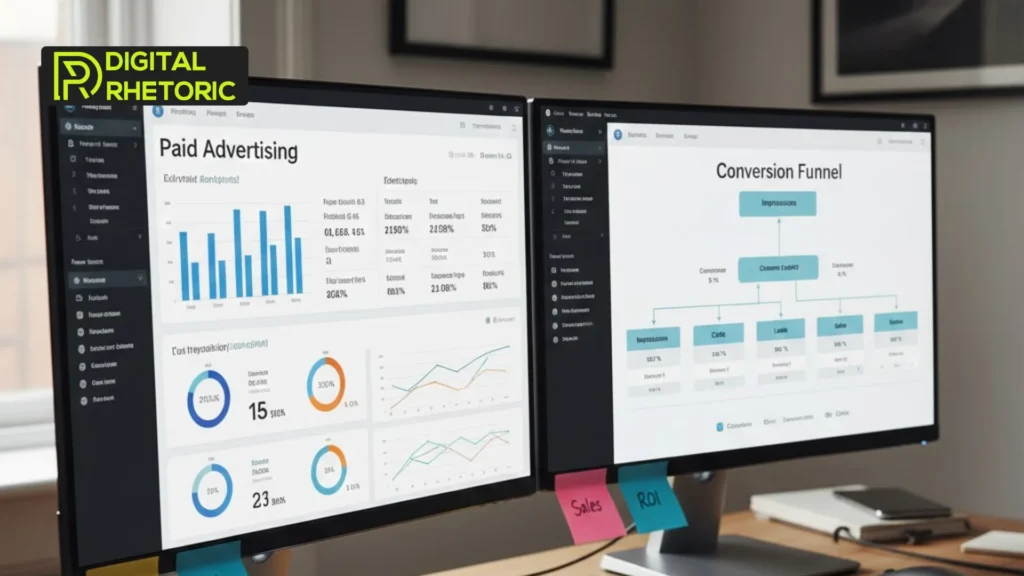
Performance marketing aligns marketing spend with measurable business outcomes.
This alignment becomes critical in competitive markets.
Key reasons it matters include:
- Rising ad costs demand efficiency
- Leadership teams expect clear ROI
- AI-driven platforms reward data clarity
This explains why brands shift toward performance-first strategies.
Performance Marketing vs Digital Marketing
Performance marketing focuses on outcomes, while digital marketing covers all online activities.
Digital marketing often emphasizes visibility and engagement.
Performance marketing emphasizes:
- Conversions
- Revenue impact
- Cost efficiency
In short, performance marketing vs digital marketing highlights purpose over presence.
Benefits of Performance Marketing
Performance marketing delivers measurable growth and financial clarity.
It removes guesswork from marketing decisions.
Key benefits include:
- Clear ROI tracking
- Better budget control
- Faster optimization cycles
- Data-driven decision-making
This supports sustainable scaling.

How Performance Marketing Works Step by Step
How do brands set goals in performance marketing?
Goals focus on actions that drive revenue or growth.
These goals guide every campaign decision.
Typical goals include:
- Cost per lead targets
- Sales volume targets
- Customer acquisition costs
Clear goals improve outcomes.
Which channels support performance marketing?
Performance marketing uses platforms designed for measurable actions.
Common channels include:
- Paid search campaigns
- Paid social advertising
- Affiliate marketing
- Programmatic display
Each channel supports tracking and optimization.

How does tracking and optimization work?
Tracking connects campaigns to real results.
AI systems optimize faster with clean data.
Optimization includes:
- Conversion tracking
- Audience refinement
- Creative testing
This approach strengthens ROI driven marketing.
Performance Marketing Examples in Practice
A global eCommerce brand wants to improve return on ad spend.
Traffic increases, but profitability remains flat.
The solution focuses on performance principles.
Key actions include:
- Defining purchase-focused conversion events
- Optimizing campaigns for value, not clicks
- Refining audiences using first-party data
Results show:
- Lower cost per sale
- Higher average order value
- Improved budget efficiency
These performance marketing examples highlight outcome-driven thinking.
Performance Marketing in an AI-Driven Search World
AI search platforms prioritize outcomes and relevance.
Platforms like Google AI Overviews influence user trust early.
Conversational AI search tools answer buying questions directly.
This environment rewards performance marketing because:
- Clear value propositions improve AI selection
- Conversion-focused content builds trust
- Data-driven strategies align with AI systems
Performance marketing supports visibility and results together.
Common Mistakes Brands Make
Many brands misunderstand performance marketing execution.
Common mistakes include:
- Tracking vanity metrics
- Ignoring landing page experience
- Relying only on traffic growth
- Failing to connect data sources
Avoiding these mistakes improves long-term results.
Conclusion
Performance marketing shifts focus from activity to outcomes.
It answers the question every business asks.
Is marketing driving real results?
By understanding what is performance marketing, brands gain clarity and control.
Clear goals, measurable actions, and ongoing optimization support growth.
In an AI-driven environment, this approach becomes even more powerful.
Search platforms favor relevance, trust, and outcomes.
Digital Rhetoric operates as an AI-first performance and SEO partner.
We design strategies where marketing spend connects directly to results.
If your business wants growth you can measure, now is the time to act.
Contact Digital Rhetoric for a performance marketing audit and ROI-focused strategy consultation.
FAQs About Performance Marketing