
Brand decisions now happen faster than ever.
People form opinions in seconds.
Algorithms form opinions even faster.
Across search, social, and AI-assisted discovery, brands compete in compressed attention windows. Users scan fewer options, trust familiar signals, and move forward quickly.
In this environment, branding cannot rely on visuals alone. A logo may catch the eye, but it does not explain value, build trust, or shape decisions by itself. What shapes outcomes today is perception. How a brand sounds, behaves, and delivers matters as much as how it looks.
This shift explains why many businesses struggle despite polished logos and modern websites. They invest in design but ignore meaning and launch visuals without building identity.
This article explains what is branding beyond surface elements.
You will understand branding vs logo, how brand identity design influences behavior, the importance of branding in modern growth, and how brand perception affects conversion and visibility.
If branding feels abstract, this guide makes it practical.
What Is Branding?
Branding is the complete perception people form about a business over time.
It includes how a brand looks, sounds, and behaves.
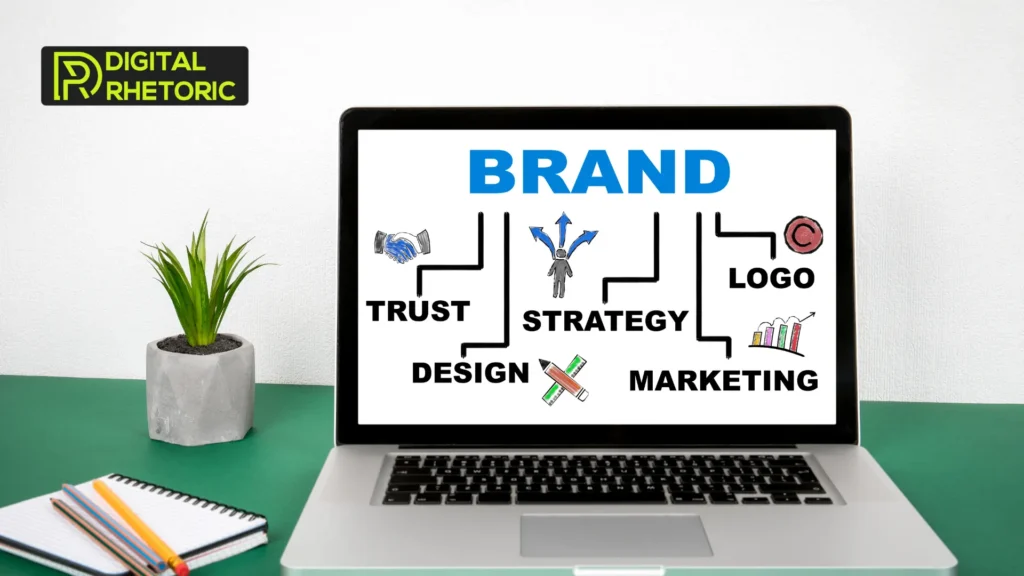
Branding covers:
- Visual identity
- Messaging and tone
- Values and positioning
- Customer experience
A logo represents the brand.
It does not define it.

Branding vs Logo: Understanding the Difference
A logo is a visual symbol. Branding is the meaning behind it.
Confusing the two limits growth.
Branding vs logo explained simply:
- Logo: Recognition
- Branding: Trust and preference
Logos attract attention.
Branding earns decisions.
Why Branding Matters More Than Ever
Branding influences choice when options look similar.
It reduces decision friction.
The importance of branding increases because:
- Markets grow crowded
- Products feel interchangeable
- Users rely on trust signals
Strong brands simplify decisions.
Benefits of Strong Branding for Businesses
Effective branding delivers both emotional and commercial value.
It supports long-term performance.
Key benefits include:
- Higher recall and recognition
- Faster trust-building
- Improved conversion rates
- Stronger customer loyalty
Branding compounds over time.
What Makes Up a Strong Brand Identity
What is brand identity design?
Brand identity design is the structured expression of a brand’s personality.
It ensures consistency across touchpoints.
Core elements include:
- Visual systems and colors
- Typography and layouts
- Voice and tone guidelines
Identity design supports clarity, not decoration.
Why consistency matters more than creativity
Consistency builds familiarity and trust.
Random creativity confuses perception.
Consistency improves:
- Recognition across platforms
- Message retention
- Professional credibility
Reliable brands feel safer.
How Branding Shapes Brand Perception
Brand perception is how people feel about a business, not what the business says.
It forms through repeated interactions.
Perception is shaped by:
- Messaging clarity
- Experience quality
- Alignment between promise and delivery
Every touchpoint reinforces perception.
Branding in an AI-Driven Discovery Environment
AI-assisted discovery systems surface brands that communicate clearly and consistently.
They favor recognizable, authoritative signals.
When users research topics through AI-assisted search experiences, brands with clear positioning and coherent messaging appear more credible and easier to summarize.
This makes branding functional, not cosmetic.
Strong branding supports visibility and trust simultaneously.
How to Build Branding Beyond a Logo
Step 1: Define Clear Brand Positioning
Positioning explains why the brand exists and who it serves.
It guides all decisions.
Define:
- Target audience
- Core problem solved
- Unique perspective
Positioning creates focus.

Step 2: Align Messaging Across Channels
Messaging should sound consistent everywhere.
Mismatch weakens trust.
Align:
- Website copy
- Social content
- Ads and emails
Consistency reinforces recognition.
Step 3: Design Identity to Support Meaning
Design should express strategy, not replace it.
Visuals must support message.
Effective brand identity design:
- Reflects positioning
- Enhances clarity
- Avoids over-decoration
Design amplifies meaning.
Mini Case Study: Branding Beyond Visuals
A service-based business refreshes its logo and website.
Visuals improve.
Leads remain flat.
The branding approach changes.
Key updates include:
- Clear positioning statement
- Simplified messaging
- Consistent tone across channels
Results show improved engagement, higher inquiries, and stronger recall.
The logo stays the same.
The brand finally communicates.
Common Branding Mistakes Businesses Make
Many brands focus on appearance over substance.
Common mistakes include:
- Treating branding as a one-time project
- Designing before defining strategy
- Inconsistent tone across platforms
- Ignoring customer experience
Branding lives in execution.
Conclusion
Branding is not a logo.
It is a system.
Understanding what is branding helps businesses move beyond surface design.
Recognizing branding vs logo prevents shallow execution.
Strong brand identity design supports clarity and trust.
The importance of branding grows as competition and automation increase.
In an AI-influenced discovery environment, brands that communicate clearly stand out faster.
Consistent messaging and experience shape brand perception long before sales conversations begin.
Digital Rhetoric operates as an AI-first SEO and performance partner.
We help businesses align branding with growth, not aesthetics alone.
If your brand looks good but feels forgettable, the issue is not design.
It is meaning.
Book a brand strategy audit with Digital Rhetoric and build a brand people recognize, trust, and choose.