
Introduction
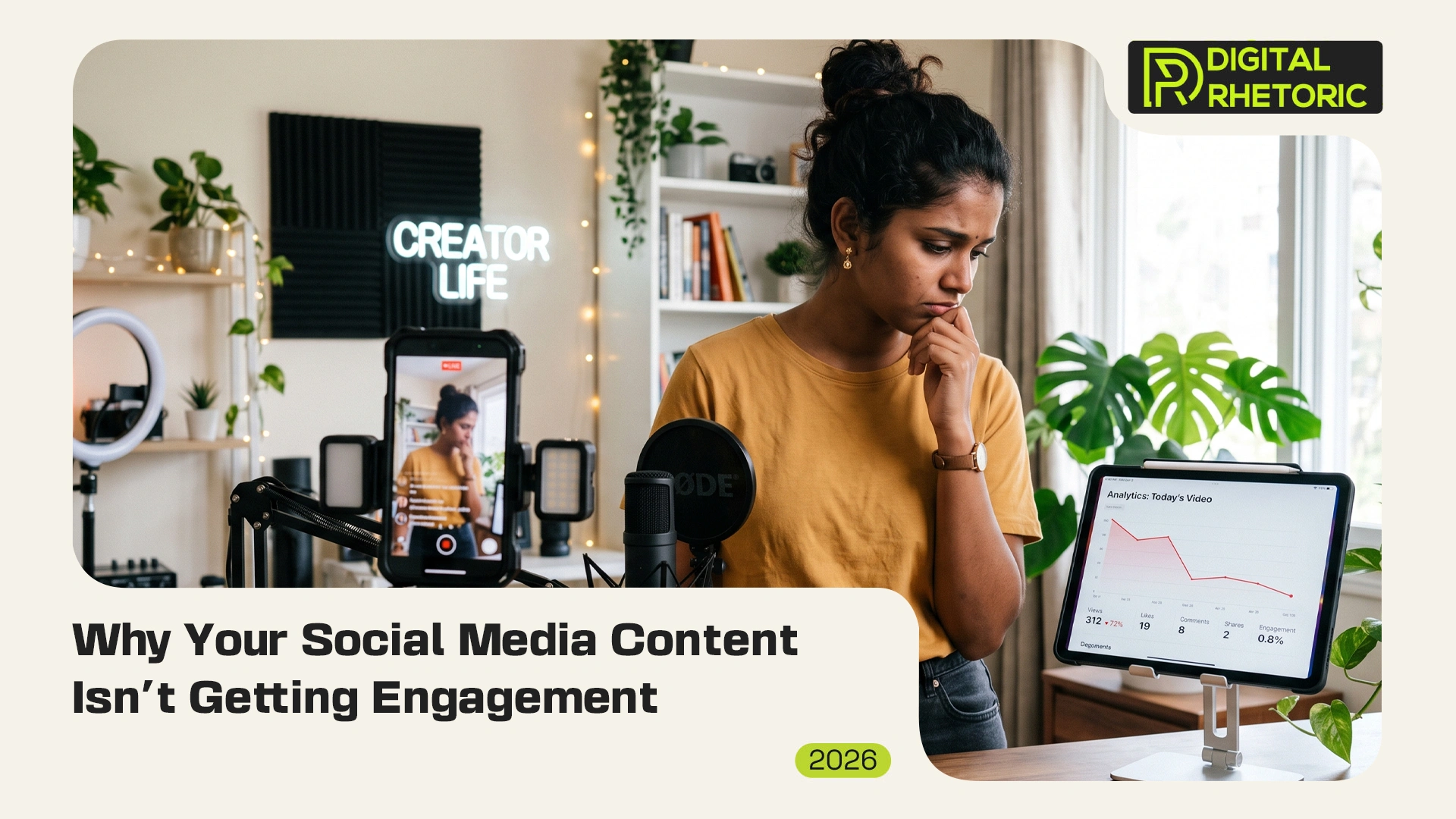
You publish consistently, spend time designing attractive creatives, write thoughtful captions, and even use trending hashtags. Yet every new post receives only a handful of likes, almost no comments, and very little sharing. Meanwhile, competitors with similar products seem to attract conversations, enquiries, and loyal communities with every post they publish.
This situation is becoming increasingly common in 2026 as social media platforms prioritize meaningful interactions over simple reach. Algorithms now evaluate how people engage with content within the first few minutes of publication, making relevance, quality, and audience intent more important than ever. Simply posting frequently no longer guarantees visibility.
The good news is that low engagement is usually a strategy problem rather than an algorithm problem. Businesses that understand why social media engagement is low can make practical improvements that consistently increase visibility and build stronger customer relationships.
In this guide, you’ll discover the most common reasons your content underperforms, learn how to improve Instagram engagement organically, and explore social media engagement strategies that help your brand stay relevant in an increasingly AI-driven digital landscape.
What Is Social Media Engagement?
Social media engagement refers to the actions people take when interacting with your content beyond simply viewing it.
Engagement signals tell social platforms that users find your content valuable.
Common engagement metrics include:
- Likes
- Comments
- Shares
- Saves
- Direct messages
- Profile visits
- Link clicks
- Follows
Higher engagement often leads to increased organic reach and stronger brand visibility.

Why Is Social Media Engagement Low?
Low engagement usually happens because the content does not match what the audience wants or how platform algorithms evaluate quality.
Several factors contribute to declining performance.
Common reasons include:
- Content focuses on selling instead of helping.
- Posts look repetitive.
- Captions do not encourage interaction.
- Posting times are inconsistent.
- Audience targeting is unclear.
- Videos fail to capture attention quickly.
- The brand lacks a recognizable voice.
Rather than blaming the algorithm, businesses should first evaluate their content strategy.
Why Engagement Matters More Than Ever
Engagement influences both platform visibility and customer trust.
When users actively interact with your content, social platforms are more likely to recommend it to others.
Higher engagement also helps:
- Build stronger communities
- Increase brand awareness
- Generate website traffic
- Improve lead generation
- Support long-term customer loyalty
Strong engagement creates a cycle where good content reaches more people naturally.

How to Improve Instagram Engagement Organically
Organic engagement improves when your content consistently solves problems, starts conversations, or entertains your audience.
Focus on these proven strategies.
Create Content Around Audience Questions
People engage with content that answers real problems.
Examples include:
- Frequently asked questions
- Industry myths
- Quick tutorials
- Customer success stories
- Practical tips
Helpful content often earns more saves and shares than promotional posts.
Prioritize Short, Strong Hooks
The first few seconds determine whether someone keeps watching.
Use hooks that:
- Ask interesting questions
- Challenge common beliefs
- Present surprising facts
- Address customer pain points
Strong openings increase watch time and overall engagement.
Encourage Conversations
Every post should invite interaction.
Simple calls to action include:
- “What has your experience been?”
- “Would you choose Option A or B?”
- “Tell us your biggest challenge.”
Comments signal relevance to platform algorithms.
Mix Different Content Formats
Different users prefer different content styles.
Create a balanced mix of:
- Reels
- Carousel posts
- Stories
- Educational graphics
- Behind-the-scenes videos
- Customer testimonials
Variety keeps your audience interested over time.
Focus on Consistency Instead of Volume
Publishing fewer high-quality posts often performs better than posting every day without purpose.
Consistency builds audience expectations and strengthens your brand identity.
Social Media Engagement Strategies That Work in 2026
Successful brands combine creativity with data-driven decision-making.
Key strategies include:
- Analyze audience insights weekly.
- Test different posting times.
- Repurpose high-performing content.
- Collaborate with industry experts.
- Respond quickly to comments and messages.
- Build content around customer intent rather than trends alone.
These habits create sustainable growth instead of temporary spikes.
Mini Case Study: Small Changes, Bigger Results
A B2B software company consistently posted product updates but struggled to gain meaningful engagement. Most posts received very few comments despite having a growing follower base.
Instead of creating more promotional content, the company shifted its strategy. It began publishing educational carousel posts, short industry tips, client success stories, and videos answering common customer questions.
Within three months, average engagement increased significantly. More importantly, website traffic from social media improved, and inbound enquiries became more frequent.
The biggest change was not posting more often. It was creating content that the audience actually wanted to engage with.

Should AI Influence Your Social Media Strategy?
AI tools can help generate ideas and improve efficiency, but people still engage with authentic, valuable content.
AI is useful for:
- Brainstorming topics
- Caption drafting
- Content planning
- Performance analysis
- Trend identification
However, human creativity remains essential for building trust and genuine conversations.
Conclusion
Low engagement is rarely the result of bad luck or unpredictable algorithms. More often, it reflects a disconnect between what businesses publish and what their audiences genuinely value. Brands that focus on solving problems, encouraging conversations, and consistently delivering useful content build stronger communities and generate better business results over time.
As social platforms continue evolving alongside AI-powered recommendation systems, engagement becomes an increasingly valuable indicator of content quality. Businesses that adapt their strategies now are better positioned to grow organically while strengthening customer relationships.
At Digital Rhetoric, we combine AI-first marketing insights with performance-driven social media strategies to help businesses create content that attracts attention, builds engagement, and generates measurable leads.
Want to discover why your social media isn’t delivering results? Schedule a Social Media Performance Review with Digital Rhetoric and uncover practical opportunities to increase engagement, grow your audience, and turn followers into customers.